Category: Customer Complaints

Calm, professional answers for unhappy customers.

  • 28+ Best Responses to a Complaint Letter From a Neighbor (100+ Examples)

    28+ Best Responses to a Complaint Letter From a Neighbor (100+ Examples)

    28+ Best Responses to a Complaint Letter From a Neighbor (100+ Examples)

    Good responses to a complaint letter from a neighbor can keep a small problem small, and a careless reply can turn it into a long dispute that neither side wants. A neighbor complaint letter usually arrives because someone feels unheard, whether the issue is noise, parking, a fence, a pet, or rubbish, so the way you answer in writing sets the tone for everything that follows.

    Below you will find 24 copy-ready responses to a complaint letter from a neighbor, sorted by the situation you face most often: polite openings, noise complaints, parking and boundary problems, replies when you disagree, offers to fix the problem, and short replies for email, text, and a quick note. If the complaint is about a business matter rather than a neighbor, our guide to responses to a customer complaint about a product has matching wording for that conversation.

    Why your response to a complaint letter from a neighbor matters

    A calm written reply to a neighbor complaint letter shows that you read the letter, took it seriously, and want to solve the problem, not win an argument. Neighbors live close together for years, so one thoughtful letter can protect the relationship, while a defensive or silent reply can push the matter toward a landlord, a council, or a solicitor. Good complaint letters share the same structure, and you can see it in these sample replies to a complaint letter: acknowledge the concern, explain briefly, state the fix, and close with goodwill.

    • It keeps the peace on your street. A polite reply tells your neighbor that you are reasonable and approachable, so future problems get a knock on the door instead of another formal letter.
    • It creates a clear written record. When your reply states what happened and what you will do, both sides have the same facts to refer back to if the issue comes up again.
    • It stops the problem from growing. A fast, specific answer with a date for the fix gives your neighbor a reason to wait, instead of escalating the complaint to someone else.

    Best responses to a complaint letter from a neighbor

    Pick the group that matches your situation, then copy the reply that fits your tone. Change the names, dates, and details to fit the real letter, keep the tone polite and steady, and always name the next step and when it will happen. If you want a reply shaped for your exact letter, try the free Smart Reply Generator and paste in the neighbor’s words. For wording when a complaint arrives about an employee, see our responses to a complaint letter from an employee guide as well.

    1. Warm and polite opening replies

    Use these replies to open your letter when you want to thank your neighbor for writing, show that you took the complaint seriously, and set a calm tone for the rest of your answer. A warm opening should name the issue in one line, say you are sorry for the trouble, and promise a clear next step, so your neighbor keeps reading instead of preparing a second letter.

    #1 “Thank you for your letter, and for taking the time to tell me about the problem instead of letting it build up. I am sorry for the trouble this has caused you, and I have read your letter carefully. I would like to put this right, and I will explain below what I plan to do and when I will do it.”

    #2 “Thank you for writing to me about this, and please accept my apology for the inconvenience. I understand how frustrating this must have been, especially if it has gone on for some time. I value being a good neighbor, and I want us to sort this out in a friendly way.”

    #3 “I received your letter yesterday, and I am grateful that you raised the matter directly with me. I am sorry for any disturbance, and I take your concerns seriously. Please let me explain what happened from my side, and what I will change so it does not happen again.”

    #4 “Thank you for letting me know about the problem, and I am sorry you felt you had to write a formal letter. I would much rather hear about these things early, so please think of this reply as the start of a proper conversation. I have set out my response below, and I am happy to talk it through in person too.”

    2. Replies for a noise complaint

    Use these replies when your neighbor complains about noise, such as loud music, late parties, building work, or a barking dog. Apologise for the disturbance, explain the cause in one or two lines, and state the exact change you will make, with a time, so your neighbor can see the problem is being taken seriously.

    #5 “Thank you for your letter about the noise, and I am very sorry it disturbed your evenings. The music on Saturday came from a birthday party that ran later than I planned, and I should have warned you in advance. From now on I will keep music indoors after nine in the evening, and I will let you know before any future gathering.”

    #6 “I am sorry about the noise from the building work, and I understand how disruptive it must be during the day. The work is due to finish by the end of next week, and the builders will only work between eight in the morning and five in the afternoon. If the noise is still a problem after that date, please tell me straight away.”

    #7 “Thank you for writing about the noise from my dog, and I apologise for the barking early in the morning. I have spoken to a trainer, and we have started a plan to keep him calm when I leave the house. I will check on his progress every week, and I hope you notice a real difference within a month.”

    #8 “I am sorry the noise from my flat has been a problem, and I did not realise how clearly sound travels through the walls. I have put down thick rugs, I will wear soft shoes indoors, and I will keep the television at a lower volume after ten at night. Please let me know if it still bothers you.”

    3. Replies for parking and boundary complaints

    Use these replies when the complaint is about parking, a fence, a hedge, bins, or a shared boundary. These problems are often about unclear lines and small habits, so acknowledge the point, explain what you will change, and agree on a simple rule that both sides can follow from now on. For wording when a patient writes a similar letter about care, see our responses to a complaint letter from a patient guide.

    #9 “Thank you for your letter about the parking, and I am sorry my car has been blocking part of your drive. I did not realise how tight the space had become, and I understand why that would be frustrating. From today I will park fully inside my own space, and I will ask visitors to use the street instead.”

    #10 “I am sorry about the overgrown hedge, and you are right that it has grown too far over the boundary. I have booked a gardener for this weekend, and the hedge will be cut back to the boundary line. After that I will trim it every two months so it does not become a problem again.”

    #11 “Thank you for writing about the fence, and I understand why the damage has been a concern. I have checked the boundary, and I am happy to share the cost of the repair, since the fence sits between our two gardens. I will get two quotes this week and share them with you before any work starts.”

    #12 “I apologise for leaving my bins out on the wrong day, and I understand how untidy that looks for the whole street. I have put a reminder on my calendar for collection day, and I will bring the bins in on the same evening. If I ever forget, please feel free to remind me.”

    4. Replies when you disagree with the complaint

    Use these replies when you believe the complaint is mistaken, exaggerated, or about something you did not do. Stay polite, thank your neighbor for writing, explain your side calmly with facts, and offer a fair way to check the truth together, such as a quick talk, a look at the area, or a neutral third person.

    #13 “Thank you for your letter, and I appreciate you raising this with me directly. I have checked the dates you mentioned, and I was away that weekend, so I do not think the noise came from my house. I am happy to talk this through with you, and I will help you work out where it did come from.”

    #14 “Thank you for writing, and I understand why you are unhappy, but I would like to explain my side before we decide what to do next. The parking space you mention is part of my property, and I have checked the deeds to confirm this. I am glad to show you the plan, and I hope we can agree on the facts together.”

    #15 “I am sorry you have had trouble, and I take your letter seriously, but the dog barking you describe does not match my dog, who is with me at work during the day. There is another dog two doors down, and it may be worth checking there too. I am happy to help you find the real source.”

    #16 “Thank you for your letter, and I can see this has been upsetting for you. I do not agree with every point in the letter, but I do agree that we should talk about it calmly. Would you be free for a cup of tea on Saturday, so we can go through it point by point and find a fair answer?”

    5. Replies offering a fix and a follow up

    Use these replies when you want to offer a clear solution, a date, and a follow up, so your neighbor knows the matter will not be forgotten. Name the action, say when it will happen, say how you will check it worked, and invite your neighbor to tell you if the problem returns.

    #17 “Thank you for your letter, and I am sorry again for the trouble. I will fit a draft excluder and door seals this week to cut the noise from my hallway, and I will test them with a friend listening from your side. I will write to you next Monday to confirm the work is done, and I will check again with you after two weeks.”

    #18 “I am grateful you wrote, and I want to make this right properly. I have spoken to my landlord about the shared drain, and a plumber is booked for Thursday morning. If the smell or the damp is still there after the visit, please tell me at once, and I will chase the landlord again the same day.”

    #19 “Thank you for your patience, and I apologise for the delay in replying. I have ordered the parts to repair the gate, and they will arrive by Friday. I will fit the gate over the weekend, and I will knock on your door on Monday so you can see the repair and tell me if you are happy with it.”

    #20 “I am sorry for the inconvenience, and I have set out a simple plan to fix it. I will move the compost bin to the far end of my garden this weekend, I will keep it covered, and I will clear the shared path every Sunday. Please let me know in a month whether the problem has gone, or if I need to do more.”

    6. Short replies for email, text and a quick note

    Use these short replies when the complaint arrives by email or text, or when you want to answer quickly before sending a full letter. Keep the tone warm, name the action in one line, give a clear next step, and promise a fuller reply or a chat in person, so a short message still feels complete.

    #21 “Hi, thank you for your letter, and I am sorry for the trouble. I have read it carefully, and I will write back properly by Friday with what I plan to do. Please feel free to knock on my door before then if you would like to talk.”

    #22 “Thank you for letting me know, and I apologise for the disturbance. I will keep the noise down after nine from tonight, and I will check with you next week to see if it has improved.”

    #23 “Hi, I am sorry about the parking, and you are right to raise it. I will move my car today, and I will make sure visitors do not block your drive again.”

    #24 “Thank you for your message, and I am sorry for the problem. I have booked someone to fix it on Thursday, and I will let you know as soon as the work is done.”

    What to avoid when responding to a complaint letter from a neighbor

    Avoid thisTry this instead
    Ignoring the letter and hoping it goes awayReply within a few days, thank your neighbor for writing, and state what you will do next
    Blaming your neighbor or calling them unreasonableThank them for raising the issue, then explain your side calmly with facts
    Apologising with no plan and no dateName the action, give a date, and follow up to confirm the fix worked
    Making promises you cannot keepOffer only what you can do, and say clearly if a fix needs more time
    Discussing the dispute with other neighborsKeep the conversation between you and your neighbor until it is resolved

    Frequently Asked Questions

    How quickly should I reply to a complaint letter from a neighbor?

    Reply within a few days. A prompt reply shows respect, stops the problem from growing, and keeps the door open for a friendly talk.

    Should I apologise if I think the complaint is wrong?

    Yes, apologise for the trouble. You can be sorry they were disturbed while still explaining your side calmly and with facts.

    What should I include in my reply letter?

    Thanks, facts, fix, and follow up. Thank them, explain briefly, name the action and date, and say when you will check back.

    Final Thoughts

    Good responses to a complaint letter from a neighbor are simple at heart: thank your neighbor for writing, apologise for the trouble, explain your side briefly, name the fix and the date, and follow up to confirm it worked. Keep the tone polite and steady, even when you disagree, and treat every letter as a chance to protect a relationship that will last for years. Do that every time, and most neighbor complaints will end with a handshake, not a second letter.
  • 30+ Best Responses to a Complaint Letter From a Patient (100+ Examples)

    30+ Best Responses to a Complaint Letter From a Patient (100+ Examples)

    30+ Best Responses to a Complaint Letter From a Patient (100+ Examples)

    Good responses to a complaint letter from a patient start with one simple choice: listen first, defend nothing, and answer quickly. A patient who writes a formal letter is usually worried, frustrated, or hurt, and the way your clinic, hospital, or dental practice replies will shape whether they stay, leave, or tell others about their experience.

    Below you will find 24 copy-ready responses to a complaint letter from a patient, sorted by the reason for the complaint: a fast and kind first reply, long waits and appointment problems, care quality and staff behaviour, billing and charges, the investigation and the changes made, and short replies for email and phone. If you handle complaints in other settings too, our guide to responses to bad feedback will help you keep every answer calm and professional.

    Why your response to a complaint letter from a patient matters

    A thoughtful reply to a patient complaint shows that you took the letter seriously, and it can turn a damaged relationship into a chance to rebuild trust. Patients want to feel heard, to know what happened, and to see what will change, and a slow or defensive answer makes the original problem feel worse. The rules also set a clear timetable, since CMS-regulated facilities must answer formal grievances within seven days and California requires a written response within 30 days, so read this guide to how to respond to a patient complaint letter and reply promptly, apologise for the experience rather than for a medical outcome, and name a contact person the patient can reach.

    • It rebuilds trust. A prompt, honest reply tells the patient that their experience mattered, even when you cannot change what already happened.
    • It keeps the matter private. A calm written answer, with an offer to meet, gives the patient a safe place to talk instead of sharing the story in public.
    • It shows what will change. When you explain the investigation and the corrective steps, the patient can see that the complaint led to real action.

    Best responses to a complaint letter from a patient

    Pick the group that matches the complaint, then copy the reply that fits your tone. Change the names, dates, and details to fit the real letter, keep the tone warm and professional, and never include medical details that belong in the clinical record. If you want a reply shaped for your exact letter, try the free Smart Reply Generator and paste in the patient’s words. For wording when a complaint names a member of staff, see our responses to a customer complaint about an employee guide.

    1. Replies that acknowledge the letter quickly and with empathy

    Use these as your first reply, within a day or two of receiving the letter. Thank the patient for writing, say clearly that you are sorry for their experience, and tell them what happens next, with a named contact and a date for your full answer.

    #1 “Thank you for writing to us, and I am sorry for the experience you describe. We have received your letter, we are taking it seriously, and I will look into the matter personally. I will reply again by Friday, and you can reach me on the number below.”

    #2 “I am sorry that your visit left you feeling unheard, and I appreciate you telling us. Your letter is now with our complaints team, and we will review what happened. I will write again within seven days, and I am happy to meet you in person if that helps.”

    #3 “Thank you for bringing this to our attention. I understand how upsetting it must have been to feel that your concerns were not listened to, and I am sorry that happened. We will investigate your complaint carefully, and I will keep you updated at each stage so you are never left wondering what is happening.”

    #4 “I have read your letter carefully, and I am sorry for the distress and frustration it describes. Patient feedback matters to us, and your experience will help us improve the way we care for others. A member of our team will call you this week, and you are welcome to bring a family member.”

    2. Replies about long waits or appointment problems

    Use these when the complaint is about waiting too long, a cancelled appointment, or difficulty booking. Apologise for the time lost, explain briefly what went wrong, and offer a clear next step, such as a new appointment at a time that suits the patient.

    #5 “I am sorry that you waited so long on the day of your appointment. I understand how frustrating that must have been. The clinic was running behind because of an urgent case, but that does not excuse leaving you without an update. We will offer you a new appointment at a time that suits you.”

    #6 “Thank you for telling us about the difficulty you had booking an appointment. I am sorry that you had to call several times and still could not get a time that worked for you. We are adding extra phone lines at busy times, and I would like to book your next appointment for you now.”

    #7 “I am sorry that your appointment was cancelled at short notice, and I understand the trouble that caused. We should have told you sooner, and we are reviewing how we contact patients when a clinic has to change. I have reserved a new appointment for you next week, and I will confirm the details today.”

    #8 “I apologise for the long wait in our reception area and for the lack of information while you were waiting. You deserved a clear update, and I understand why the delay felt disrespectful of your time. We have asked our reception team to give patients a revised time whenever a delay passes thirty minutes.”

    3. Replies about care quality or staff behaviour

    Use these when the patient felt rushed, dismissed, or treated without kindness. Take the experience seriously, apologise without blaming anyone, and explain that you will speak with the team and review the care given. For similar wording when a patient asks to speak with someone senior, see our responses to a customer asking for supervisor guide.

    #9 “I am very sorry that you felt rushed and unheard during your appointment. Every patient deserves time to ask questions and to feel listened to. I will discuss your letter with the clinician involved, review the notes from your visit, and write to you again once that review is complete.”

    #10 “Thank you for writing so honestly about the way you were spoken to. That is not the standard of kindness we expect from our staff, and I am sorry your experience fell short. We will speak with the member of staff concerned, offer further training, and I will contact you again with the outcome.”

    #11 “I am sorry that you felt your concerns were dismissed, and I understand how worrying that must have been. You should always feel able to ask questions and to have them answered with care. We are reviewing your care with the clinical team, and I would like to meet you to hear more.”

    #12 “I apologise for the lack of privacy and dignity you describe in your letter. That should never happen in our practice, and I understand why it left you feeling upset. We have raised the matter with the team on duty that day, and we are reviewing our procedures so every patient is treated with respect.”

    4. Replies about billing or charges

    Use these when the complaint is about an unexpected bill, a charge the patient does not understand, or a payment they feel was unfair. Explain the charge in plain words, check it carefully, and offer a clear way to put it right if a mistake was made.

    #13 “I am sorry for the confusion caused by the bill you received, and I understand why the amount came as a surprise. I have asked our billing team to check each item and to explain each charge in plain words. I will contact you within a few days, and we will put right any error.”

    #14 “Thank you for raising the charge for your recent treatment. I am sorry the cost was not explained clearly before your appointment, as you should always know what to expect. I will review the estimate you were given, compare it with the final bill, and let you know what we find.”

    #15 “I understand your frustration about being charged for an appointment that was cancelled by the clinic, and I am sorry for the extra trouble this caused. You should not have been charged in those circumstances. We have removed the charge from your account, and I will send you written confirmation of that today.”

    #16 “I am sorry that the payment process felt unclear and stressful, and I appreciate you telling us. We should have explained the options, including payment in stages, before asking you to pay. I would like to discuss a payment plan that suits you, and our billing team will call you this week to arrange it.”

    5. Replies that explain the investigation and the changes made

    Use these for the full written answer after your investigation. Summarise what you looked at, what you found, what you have changed, and what happens next, in plain words and without sharing other patients’ details or clinical information that does not belong in the letter.

    #17 “We have now completed our review of your complaint. We looked at your appointment records, spoke with the staff involved, and checked how your visit was booked. We found our communication on the day was poor, and we have changed our booking checks so patients are told at once when a clinic is running late.”

    #18 “Thank you for your patience while we investigated your letter. Our review found the information given to you about your treatment was incomplete, and I am sorry for the worry that caused. We have updated the written information we give patients, and we have reminded the team to check that patients understand it.”

    #19 “Following our investigation, we have made two changes as a direct result of your complaint. First, our reception team will now confirm every appointment by phone the day before. Second, our nurses will check that each patient has had a chance to ask questions, and I hope these changes give you confidence.”

    #20 “I am writing with the outcome of our review, and I thank you again for bringing this to our attention. We found the delay in answering your calls was caused by staff shortages, and we have now recruited extra staff and changed our rota. If you remain unhappy, you may contact the patient advice service.”

    6. Short replies for email and phone

    Use these when the complaint arrives by email or when you need a short, warm reply on the phone. Keep it brief, thank the patient, name the next step, and offer a named contact. For wording when a patient leaves kind feedback, see our responses to good feedback guide.

    #21 “Thank you for your email, and I am sorry for the experience you describe. I have passed your message to our complaints team, and we will look into it straight away. I will contact you again within seven days, and you can reach me directly if you need anything sooner.”

    #22 “I am sorry to hear that your visit did not go well, and thank you for telling us. I would like to look into what happened and call you back with a full answer. Could you tell me a time that suits you this week, so we can talk properly?”

    #23 “Thank you for writing to us. I am sorry for the distress this has caused you, and I want to put it right. I will review your letter with the team today, and I will phone you tomorrow to discuss what we have found and what we will do next.”

    #24 “I appreciate you taking the time to share your concerns, and I am sorry that we let you down. Your feedback will help us improve, and I will make sure it is shared with the team. Please contact me directly if you would like to meet, and I will arrange that for you.”

    What to avoid when responding to a complaint letter from a patient

    Avoid thisTry this instead
    Sounding defensive or blaming the patientApologise for the experience and focus on what you will do next
    Sharing medical details in the letterKeep clinical information in the record and discuss it privately with the patient
    Leaving the patient waiting for weeksAcknowledge the letter quickly and give a clear date for the full reply
    Using legal or medical jargonWrite in plain words so the patient can understand every part of your answer
    Promising a result you cannot deliverExplain what you can do, what you have changed, and how to take the matter further

    Frequently Asked Questions

    How quickly should a clinic reply to a patient complaint letter?

    Acknowledge it within a few days. CMS-regulated facilities must answer formal grievances within seven days, and California requires a written response within 30 days.

    Should I apologise in a reply to a patient complaint?

    Yes, apologise for the experience. Say sorry for the distress, the delay, or the poor communication, without admitting a clinical error you have not investigated.

    What should a full reply to a patient complaint include?

    Acknowledge, investigate, explain, and act. Thank the patient, summarise the findings, state the changes made, and name a contact for further help.

    Final Thoughts

    A patient complaint letter is a chance to listen, to learn, and to rebuild trust. Answer quickly, apologise for the experience, investigate carefully, explain what you found in plain words, and show the changes you have made. Offer a meeting and a named contact, and keep the tone kind and professional throughout. Do that every time and most patients will feel heard, even when the outcome is not what they hoped for, and your practice will be better for it.

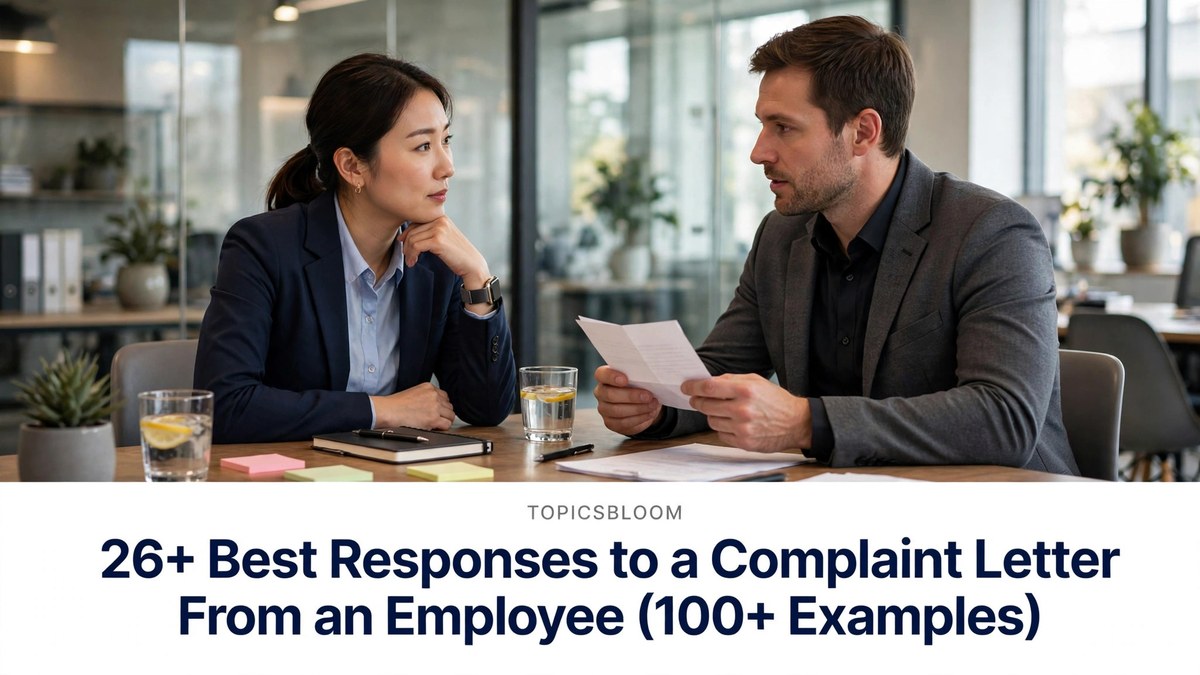
  • 26+ Best Responses to a Complaint Letter From an Employee (100+ Examples)

    26+ Best Responses to a Complaint Letter From an Employee (100+ Examples)

    26+ Best Responses to a Complaint Letter From an Employee (100+ Examples)

    Good responses to a complaint letter from an employee show that you take the concern seriously, even before you know all the facts. An employee who writes a formal complaint has already thought hard about it, so a fast, calm, and fair reply is the first step toward trust.

    Below you will find 24 copy-ready responses to a complaint letter from an employee, sorted by the situation you face most often: acknowledging the letter quickly, harassment or bullying complaints, workload, pay or unfair treatment, explaining the investigation steps and timeline, sharing the outcome and next steps, and short replies for email and meetings. If you also handle unhappy staff in person, our guide to responses to a disgruntled employee will help you keep those talks calm and fair too.

    Why your response to a complaint letter from an employee matters

    A careful reply to an employee complaint shows that the process is fair, confidential, and taken seriously from the very first day. The employee needs to know that the letter was received, that it will be looked into properly, and that they will be told what happens next and when. Good practice follows the same clear pattern in these HR responses to employee complaint emails: acknowledge the letter, commit to investigate, give the next steps and a time frame, and invite further contact, all in a neutral tone that never sounds defensive and never admits fault before the facts are known.

    • It builds trust in a hard moment. A prompt, respectful reply tells the employee that raising a concern was the right thing to do, and that they will be treated fairly.
    • It keeps the process fair and confidential. When you state the steps, the time frame, and who will be involved, everyone knows what to expect and private details stay protected.
    • It prevents a small issue from growing. A clear reply with a named contact and a next meeting stops rumours, repeat complaints, and needless worry while the review is under way.

    Best responses to a complaint letter from an employee

    Pick the situation that matches yours, then copy the reply that fits your tone. Change the names, dates, and details to fit the real case, keep the tone empathetic, neutral, and professional throughout, and respond within 24 hours where you can. If you want a reply shaped for your exact letter, try the free Smart Reply Generator and paste in the key points. For wording after a formal review, see our responses to employee evaluation comments guide as well.

    1. Replies that acknowledge the letter quickly

    Use these replies within 24 hours of receiving the letter, even if the review has not started yet. A quick acknowledgement should confirm receipt, thank the employee for writing, say that the matter will be looked into, and name a contact person, so the employee is never left wondering whether the letter was read.

    #1 “Thank you for your letter, which I received today. I want you to know that I have read it carefully, and I take the concerns you raised very seriously. I will look into this matter promptly, and I will be in touch with you within three working days about the next step.”

    #2 “Thank you for writing to me and for sharing your concerns so clearly. I can see that this has not been easy to raise, and I appreciate your honesty. I will review your letter in full, and I will contact you by Friday to discuss how we will move forward.”

    #3 “I am writing to confirm that I have received your complaint letter dated yesterday. Thank you for bringing this matter to my attention in writing, as it helps us handle it properly and fairly. I will keep the details confidential, and I will update you as soon as the first review is complete.”

    #4 “Thank you for your message, and please be assured that your letter has reached the right person. I understand that raising a concern takes courage, and I respect that you have done so. I will begin a careful review today, and my colleague in HR will also be available if you need support.”

    2. Replies about harassment or bullying complaints

    Use these replies when the letter describes harassment, bullying, or behaviour that made the employee feel unsafe or unwelcome. Stay empathetic and neutral, take the report seriously, explain that it will be handled with care and confidentiality, and offer support, without judging anyone or deciding the outcome in advance.

    #5 “Thank you for telling us about this, and I am sorry to hear that you have had this experience. We take every report of this kind seriously, and we will look into it with care and respect. I will contact you tomorrow to agree the next step and the support available to you.”

    #6 “I appreciate you writing about behaviour that has made you feel uncomfortable, and I want you to know that you did the right thing by raising it. Your letter will be handled confidentially, and we will speak with the people involved fairly and carefully. Please contact HR at any time if you need support.”

    #7 “Thank you for your letter, and for describing what happened. I understand that this has been difficult, and I want to reassure you that we will treat this matter with the seriousness it deserves. We will begin a fair review this week, and I will keep you informed about the progress and the time frame.”

    #8 “I am sorry to learn about the behaviour you describe, and I thank you for bringing it to our attention. We are committed to a workplace where everyone feels safe and respected, and we will look into your concerns. In the meantime, please let me know if there is support that would help you.”

    3. Replies about workload, pay or unfair treatment

    Use these replies when the letter concerns workload, working hours, pay, promotion, or treatment that feels unfair. Acknowledge the specific concern, explain that you will review the facts and the relevant records, and give a time frame, so the employee knows the issue will be judged on evidence, not on first impressions. For formal written warnings, our responses to a write up at work guide has matching wording for that separate process.

    #9 “Thank you for your letter about your workload, and for explaining how it has affected you over the past few weeks. I understand your concern, and I will review your current duties, hours, and team cover before we meet. I will contact you within five working days to discuss the findings and the options available.”

    #10 “Thank you for raising your concern about pay, and for setting out the details in your letter. I will check the relevant pay records and the policy that applies to your role, so that we can discuss the facts together. I will arrange a meeting with you next week to go through the outcome.”

    #11 “I appreciate you writing about the treatment you feel you have received, and I take your concerns very seriously. Fairness matters to us, and I will look into the events you describe in a careful and impartial way. Please be assured that raising this will not affect how you are treated at work.”

    #12 “Thank you for your letter, and for being honest about how your working hours have changed. I will review your rota, your contract, and the recent requests from your team, and I will discuss the position with your manager. I will update you by the end of next week with the next step.”

    4. Replies that explain the investigation steps and timeline

    Use these replies once you have decided how the matter will be reviewed. Name the person who will lead the review, explain who will be spoken to, state the time frame, and explain how confidentiality will be kept, so the employee understands the process and can plan around it with confidence.

    #13 “Thank you for your patience while we set up a fair review of your complaint. I will lead the review, and I will speak with the people named in your letter over the next two weeks. I will keep the details confidential, and I will update you at the end of each week.”

    #14 “I am writing to explain the next steps following your letter. Our HR team will review the documents, speak with the relevant colleagues, and complete the first stage within ten working days. You will be invited to a meeting to share any further information, and you may bring a colleague with you.”

    #15 “Thank you for your letter, and I would like to confirm how we will proceed. We will gather the facts, review the relevant records, and speak with everyone involved in a fair and balanced way. The review should take three weeks, and I will contact you sooner if we need any more detail from you.”

    #16 “I understand that waiting for an outcome can be difficult, and I appreciate your patience. I can confirm that the review is under way, and that we expect to share the findings with you by the date we agreed. If the time frame needs to change, I will let you know and explain why.”

    5. Replies that share the outcome and next steps

    Use these replies when the review is complete and you need to share what was found and what will happen next. State the outcome clearly, explain the action that will follow, name a review date where it helps, and invite the employee to raise any further concern, so the letter ends with a clear and fair close. For verbal warnings that follow a review, see our responses to a verbal warning at work guide for the wording to use.

    #17 “Thank you for your patience while we completed the review of your complaint. We have looked into the matters you raised, and we have decided to make a change to the team rota to share the workload more fairly. I will meet with you to confirm the new arrangements and hear how they are working.”

    #18 “I am writing to share the outcome of the review following your letter. We have spoken with everyone involved, and we will provide further training for the team and set clear expectations for future conduct. I will review progress with you in four weeks, and you can contact me at any time before then.”

    #19 “Thank you for raising this matter, and for your cooperation during the review. We have completed our enquiries, and we will take the action set out in the attached summary to address the concerns you raised. If you disagree with any part of the outcome, you may appeal in writing within ten working days.”

    #20 “I appreciate the time you gave us to look into your complaint properly. We have found that the process needs to be clearer, so we will update the guidance for managers and arrange a follow up meeting with you next month. Please let me know if there is anything else you would like to discuss.”

    6. Short replies for email and meetings

    Use these short replies when the complaint arrives by email, or when you need to invite the employee to a meeting to discuss it. Keep the tone warm and neutral, confirm the time and place, state who will attend, and remind the employee that they may bring a colleague, so a short message still covers everything they need to know.

    #21 “Thank you for your email, and please be assured that I have received your letter. I take your concerns seriously, and I will review them carefully today. I will contact you tomorrow to agree a time for us to meet and discuss the next step.”

    #22 “Thank you for writing to us. I would like to invite you to a meeting on Thursday at 10am to discuss your letter in person. You are welcome to bring a colleague with you, and I will confirm the room and the agenda by email today.”

    #23 “Thank you for your message. I have noted the points you raised, and I will keep your letter confidential while we look into it. Please let me know if there is anything you would like to add, and I will be in touch within three working days.”

    #24 “Thank you for speaking with me today, and for sharing your concerns so openly. I will write to you by the end of the week to confirm what we discussed and the next step. In the meantime, please contact me or HR directly if you need any further support.”

    What to avoid when responding to a complaint letter from an employee

    Avoid thisTry this instead
    Ignoring the letter or replying weeks laterAcknowledge it within 24 hours, even if the review has not started yet
    Sounding defensive or blaming the employeeStay neutral and empathetic, and focus on the facts and the process
    Admitting fault before the facts are knownTake the concern seriously, commit to investigate, and wait for the evidence
    Sharing the details with people who do not need to knowKeep the matter confidential, and share facts only with those involved in the review
    Promising an outcome you cannot deliverGive a clear time frame and next step, then update the employee if it changes

    Frequently Asked Questions

    How quickly should I respond to a complaint letter from an employee?

    Reply within 24 hours. Confirm receipt, thank the employee, and state when you will next update them.

    Should I admit fault in my reply to an employee complaint?

    No, stay neutral and fair. Take the concern seriously and commit to investigate, without deciding the outcome early.

    How do I keep an employee complaint confidential?

    Share it only with those involved. Keep records secure, name a single contact, and update only the employee concerned.

    Final Thoughts

    Good responses to a complaint letter from an employee are calm, fast, and fair: acknowledge the letter within 24 hours, explain the steps and the time frame, keep the process confidential, and share the outcome clearly when the review is done. Never sound defensive, never admit fault before the facts are known, and always leave the door open for the employee to add more detail. Do that every time, and a difficult letter becomes a chance to rebuild trust and improve the workplace for everyone.

  • 27+ Best Responses to a Customer Asking for a Refund (100+ Examples)

    27+ Best Responses to a Customer Asking for a Refund (100+ Examples)

    27+ Best Responses to a Customer Asking for a Refund (100+ Examples)

    A customer asking for a refund can feel like bad news, but it is really a test of your service. The customer wants their money back, and you want to keep them happy without breaking policy, so the first words out of your mouth matter more than the refund itself.

    Below you will find 24 copy-ready responses to a customer asking for a refund, sorted by situation: refunds inside policy, checks that need doing first, requests outside policy, exchanges and credit, and angry customers. If you handle complaints in other settings too, our guide to responses to bad feedback will help you keep every answer calm and professional.

    Why your response to a customer asking for a refund matters

    A good response to a refund request shows the customer you respect their money, and it often decides whether they ever buy from you again. Most customers who ask for a refund are not angry at the start, they simply want a fair outcome, and a quick, honest answer can turn a refund into a loyal customer. Support teams that handle refunds well see the proof in repeat business, because a smooth refund feels like good service, not a loss. The rule is simple: check the order and the policy first, then explain the next step clearly and never promise a date you cannot meet (customer service scenarios and refund scripts). Be fast, be honest, and close the loop.

    • It keeps the customer. A fast and fair refund often brings the customer back, while a slow or defensive reply usually loses them for good.
    • It protects your reviews. Customers who feel treated fairly rarely post angry reviews, even when the product did not work out.
    • It saves your team time. A clear answer with a date and a next step stops repeat calls, repeat emails, and repeat frustration.

    Best responses to a customer asking for a refund

    Pick the situation that matches yours, then copy the reply that fits your tone. Change the order numbers, amounts, and dates to fit the real case, and never promise a refund or a date before you have checked the policy. If you want a reply shaped for your exact situation, try the free Smart Reply Generator and paste in the customer’s words.

    1. Replies that approve a refund within policy

    Use these when the refund is clearly covered and you can process it now. Do not slow it down, do not ask why first, and give a clear time for the money to arrive. Speed is the whole message here.

    #1 “Of course, I am happy to help with that. I have processed your refund in full, and the money should be back on your original payment method within five working days, depending on your bank. You do not need to do anything else.”

    #2 “Thank you for letting me know, and I am sorry the product did not work out. Your refund is done, and I have sent you a confirmation email with the amount and the reference number so you can track it.”

    #3 “No problem at all. I have refunded your order in full today, and you should see it on your statement within three to five working days. If it has not appeared by then, just reply to this message and I will chase it for you.”

    #4 “I completely understand, and I have started your refund right away. The full amount is on its way back to your card, and I will email you the moment it is confirmed on our side.”

    2. Replies when you need to check the order first

    Use these when you must confirm the order details or the policy before you can answer. Acknowledge the request, explain what you are checking, and give a time for your reply. For wording on cancelled orders, see our responses to a cancellation request guide.

    #5 “Thank you for reaching out, and I understand you would like a refund. Let me pull up your order and check the return policy first, so I can give you a clear and accurate answer. I will come back to you within the hour.”

    #6 “I hear you, and I am happy to look into this for you. Can I take your order number and a couple of minutes to check the details? Once I have them, I can explain exactly what refund options are available.”

    #7 “Of course, let me check that for you now. I need to confirm the order date and the condition of the item, and then I will tell you straight away whether a refund applies and how long it will take.”

    #8 “Thank you for your patience. I am checking your order and our refund policy together, so I do not give you the wrong information. I will update you by email today with the outcome and the next steps.”

    3. Replies when the refund is outside policy

    Use these when the policy does not cover the request. Be polite, be firm, and always name a real alternative before the customer has to ask. Never blame the customer, and never hide behind the policy alone.

    #9 “Thank you for explaining, and I have looked into this properly. The order falls outside our returns window, so I cannot process a standard refund. What I can do is offer you a store credit or an exchange, and I will help you choose the option that works best.”

    #10 “I understand this is disappointing, and I am sorry. Because the item was used and the return period has passed, a refund is not available under our policy. I can offer a partial credit or a free repair instead, and I am happy to arrange either one today.”

    #11 “I appreciate you reaching out, and I have checked your order carefully. The service was delivered in full and matches what was described, so it falls outside the refund terms. What I can do is book you a free session with our team to help you get the most from it.”

    #12 “Thank you for your honesty. I have reviewed the case, and a full refund is not possible here, but I do not want to leave you with nothing. I can offer a partial refund or a credit toward a future order, and you can choose whichever suits you better.”

    4. Replies that offer an exchange or credit instead

    Use these when a swap or a credit solves the problem better than a refund. Present the alternative as a positive choice, not as a refusal, and make the next step easy. Our responses to a cancellation of service guide has matching wording for service cancellations.

    #13 “Thank you for letting me know. Before I process a refund, would you like to try an exchange instead? I can send the correct size today at no extra cost, and you can keep the discount from your original order.”

    #14 “I completely understand, and a refund is available. Another option many customers prefer is a store credit, which I can add to your account right now, plus a small extra as an apology. Would you like me to do that instead?”

    #15 “I am sorry the item was not right. I can refund you in full, or I can exchange it for a different colour or size and include free delivery on the replacement. Which would you prefer? I can arrange either one straight away.”

    #16 “Thank you for telling me. If the product itself is fine but the fit is wrong, an exchange is usually faster than a refund, and I can have the replacement sent out today. Would you like me to set that up for you?”

    5. Replies for angry customers demanding a refund

    Use these when the customer is upset and demanding money back now. Stay calm, acknowledge the frustration, and focus on the next concrete step. Never argue about who is right, and never promise an outcome you cannot deliver.

    #17 “I can hear how frustrating this has been, and I am really sorry. I am going to look at your order right now and tell you exactly what I can do, and I will stay with you until we have a clear answer.”

    #18 “Thank you for your patience, and I understand why you feel this way. Let me check the order and the refund policy together, and I will explain the outcome honestly, including the timing, so there are no surprises.”

    #19 “I am sorry this has taken so long, and you are right to expect better. I am escalating this now so it gets a decision today, and I will call you back personally with the answer, whatever it is.”

    #20 “You are right to be upset, and I would feel the same way. Here is what I can do right now: I can confirm the refund amount, start the process, and send you written confirmation today so you have it in black and white.”

    6. Short replies for email, chat and phone

    Use these when the refund request arrives by email, chat, or a quick call. Keep it short, confirm the amount or the check you are doing, and give a date. For money related complaints, our responses to a compensation offer guide has matching wording.

    #21 “Thanks for your message. I have started your refund, and the money should reach your account within five working days. I will email you the confirmation shortly.”

    #22 “I understand, and I am happy to help. Let me check your order now, and I will reply within the hour with the refund options available to you.”

    #23 “Thank you for reaching out. Your refund is approved, and I have processed it in full. You should see it on your statement in three to five working days.”

    #24 “I am sorry the product did not work out. I can offer a refund or an exchange, whichever you prefer. Just let me know, and I will arrange it today.”

    What to avoid when responding to a customer asking for a refund

    Avoid thisTry this instead
    Promising a refund before checking policyConfirm the order and the policy first, then state the outcome and the timing clearly
    Asking why they want a refund firstProcess the refund, then ask for feedback only if the customer is happy to share it
    Hiding behind the policy with no alternativeName a real alternative, such as credit, exchange, or partial refund, before the customer asks
    Giving a vague date for the moneyState the exact number of working days and say when you will follow up if it has not arrived
    Arguing with an angry customerAcknowledge the frustration, focus on the next step, and escalate when the case needs a decision

    Frequently Asked Questions

    How do I respond when a customer asks for a refund?

    Acknowledge, check, then explain. Confirm the order and the policy first, then say clearly whether a refund applies and when the money will arrive.

    Should I ask why the customer wants a refund?

    Only after the refund is done. Process the refund first, then ask for feedback as an optional question the customer can ignore.

    What if the refund is outside the returns window?

    Offer a real alternative. Name a specific option such as credit, exchange, or partial refund, and let the customer choose.

    Final Thoughts

    A customer asking for a refund is giving you one last chance to prove your service is worth trusting. Check the facts, answer quickly and honestly, give a clear date for the money, and offer a real alternative when a full refund is not possible. Do that every time and most refund requests will end quietly, and many of those customers will come back and buy again. For more workplace wording guides, visit TopicsBloom and try the free Smart Reply Generator for a reply tailored to your exact situation.

  • 25+ Best Responses to a Customer Complaining About Price (100+ Examples)

    25+ Best Responses to a Customer Complaining About Price (100+ Examples)

    25+ Best Responses to a Customer Complaining About Price (100+ Examples)

    A customer complaining about price can turn a simple sale into a tense conversation. The customer feels the number is too high, and you feel your work is worth every penny, so the first words out of your mouth matter more than the price itself.

    Below you will find 24 copy-ready responses to a customer complaining about price, sorted by situation: finding out what the real concern is, explaining your value, handling a cheaper quote, offering a smaller option, and sorting out payment timing. If you handle complaints in other settings too, our guide to responses to bad feedback will help you keep every answer calm and professional.

    Why your response to a customer complaining about price matters

    A good response to a price complaint shows the customer you heard them, and it turns a possible lost sale into a conversation about value. Most customers who say the price is too high are not trying to argue, they are asking for a reason to say yes, and the way you answer decides whether they buy, walk away, or come back later. Research on price objections shows the same pattern again and again: customers who feel listened to are far more likely to accept the price, so ask one calm question before you defend anything (what to say when your price is too high). Diagnose first, then explain.

    • It keeps the sale alive. A calm question about the real concern gives you a second chance to show value instead of losing the customer to a quick no.
    • It protects your price. When you explain value instead of cutting the price, you protect your margins and your reputation with every future customer.
    • It builds trust. A customer who feels heard, even when they do not buy today, remembers the honest conversation and often returns later.

    Best responses to a customer complaining about price

    Pick the situation that matches yours, then copy the reply that fits your tone. Change the amounts, products, and details to fit the real conversation, and keep your voice calm and warm even when the customer is firm. If you want a reply shaped for your exact situation, try the free Smart Reply Generator and paste in the customer’s words.

    1. Replies that ask what the price concern really is

    Use these first, before you explain anything. A price complaint usually hides a budget limit, a cheaper quote, or simple uncertainty, and each one needs a different answer. Ask one short question, then listen to the answer before you say another word.

    #1 “Thank you for telling me, and I completely understand. Before I explain anything, can I ask what feels off about the price? Some customers compare it with another quote, and some simply need to see what is included. Your answer helps me give you the right information instead of guessing.”

    #2 “That is a fair point, and I am glad you raised it. Is the concern the total amount, or is it that you are not sure what the price covers? Once I know that, I can walk you through the details that matter most to you.”

    #3 “I hear you, and it is smart to ask questions before you decide. Would it help if I broke the price down line by line, so you can see exactly what you are paying for? There are no hidden extras, and I am happy to go through every item with you.”

    #4 “Thanks for being honest with me. A lot of customers say the same thing at first, and it usually comes down to one of three things: the budget, a comparison, or the value. Which of those is closest to how you feel right now?”

    2. Replies that explain the value clearly

    Use these when the customer needs to understand what the price actually covers. Keep it simple, name the real benefits, and never sound defensive. For wording on quotes and estimates, see our responses to a price quote guide.

    #5 “I understand the price looks high at first glance. What it covers is the full service from start to finish, including delivery, installation, and a full year of support, so there is nothing extra to pay later. When you add it up, most customers find it works out better than a cheaper quote with add ons.”

    #6 “That is a good question. The price reflects the quality of the materials we use and the time our team spends getting every detail right. We do not cut corners, and every job comes with our guarantee, so you are paying for work that lasts.”

    #7 “I appreciate you asking. Think of it this way: the price includes the product, expert fitting, and aftercare if anything goes wrong. Cheaper options often leave those out, and fixing problems later usually costs more than doing it properly the first time.”

    #8 “Thank you for raising this. Our price is built around the result you want, not just the item itself. You get a dedicated contact, a clear timeline, and a finished job we stand behind, and that peace of mind is part of what you are paying for.”

    3. Replies when the customer has a cheaper quote

    Use these when the customer mentions a lower price from someone else. Never attack the other company, and never call the customer wrong. Compare the scope honestly, and let the facts do the work.

    #9 “That is completely fair, and I am glad you checked around. Can I ask what the other quote includes? Sometimes a lower price leaves out delivery, warranty, or fitting, and once we compare the two side by side, the difference usually becomes clear.”

    #10 “I understand, and it makes sense to compare prices. If you would like, we can look at both quotes together and check that they cover the same work. I cannot speak for the other company, but I can show you exactly what our price includes.”

    #11 “Thanks for letting me know. A lower quote can look tempting, and I would feel the same way. What I would suggest is checking the small print for extras, warranty, and aftercare, because those are the things that often push the real cost higher later.”

    #12 “I hear you, and I respect that you want the best deal. Our price stays the same because we include everything up front, and we would rather be honest about the total now than surprise you with extra charges once the work has started.”

    4. Replies that offer a smaller option instead of a discount

    Use these when the budget genuinely cannot stretch. Change the scope, never the quality, and give the customer a real choice. Our responses to a quote request guide has more wording for revised quotes.

    #13 “I understand the full package is more than you planned to spend. If it helps, we can look at a smaller version that covers the main job without the extras. You still get the same quality, just a simpler scope, and you can always add the rest later.”

    #14 “That makes sense, and I would rather find an option that fits than lose you over price. What if we split the work into two stages? We can do the essential part now and schedule the rest for a time that suits your budget better.”

    #15 “Thank you for being open about your budget. The full service is priced as it is, but I can offer a lighter package at a lower cost that still solves your main problem. Would you like me to show you what that version includes?”

    #16 “I appreciate your honesty. Instead of cutting the price, which would mean cutting the quality, let me suggest a smaller scope. We can focus on the part that matters most to you now and keep the rest for later, so you stay in control of the cost.”

    5. Replies for payment timing and budget limits

    Use these when the problem is cash flow or timing, not the price itself. A payment plan or a held quote can save a sale that a discount never would. For price rise conversations, see our responses to a price increase letter guide.

    #17 “I understand, and timing can matter just as much as the total. Would it help to split the payment into a deposit now and the rest when the work is finished? That way you can go ahead without paying everything up front.”

    #18 “That is fair, and I know a large payment can feel like a lot at once. We can look at a payment plan that spreads the cost over a few months, so the price stays the same but the timing works better for you.”

    #19 “Thank you for telling me. If the budget is tight right now, we can hold this quote for thirty days while you decide. The price will not change in that time, and there is no pressure from our side either way.”

    #20 “I hear you, and I completely understand. Sometimes it is not the price itself but the timing. If you tell me what works for your budget, I will see whether we can adjust the schedule or the scope so the numbers fit.”

    6. Short replies for chat, email and phone

    Use these when the complaint arrives by chat, email, or a quick phone call. Keep it short, thank the customer, name the value in one line, and offer a clear next step. For product complaints, our responses to a customer complaint about a product guide has matching wording.

    #21 “Thanks for asking. The price covers the full service with no hidden extras. Would you like me to send you a clear breakdown so you can see exactly what is included?”

    #22 “I understand completely. Our price includes delivery, fitting, and a full guarantee. If you have another quote, I am happy to compare the two with you.”

    #23 “That is a fair question. The price reflects the quality and the support you get after the sale. Can I ask what budget you had in mind? I will see what we can do.”

    #24 “Thank you for your message. I would rather give you a smaller option that fits your budget than a discount that cuts corners. Shall I put together a revised quote for you?”

    What to avoid when responding to a customer complaining about price

    Avoid thisTry this instead
    Dropping the price straight awayAsk what the real concern is first, then explain the value or offer a smaller scope
    Saying you know it is expensiveAcknowledge the concern without labelling your own price as too high
    Defending every penny on the invoiceName the main benefits in plain words, then stop and let the customer respond
    Attacking the cheaper competitorCompare the scope honestly and let the customer judge the difference for themselves
    Pressuring the customer to decide nowOffer a held quote or a follow up date, and let them decide in their own time

    Frequently Asked Questions

    How do I respond when a customer says the price is too high?

    Ask one calm question first. Find out whether it is the budget, a cheaper quote, or uncertainty about the value, then answer that exact concern.

    Should I offer a discount when a customer complains about price?

    Offer a smaller option instead. Change the scope rather than the price, so the quality stays the same and your margins stay safe.

    What should I say if the customer has a cheaper quote?

    Compare the scope side by side. Check what the other quote leaves out, such as delivery, warranty, or aftercare, and show what your price includes.

    Final Thoughts

    A customer complaining about price is asking for a reason to trust you, not for a fight about numbers. Listen first, ask one calm question, explain the value in plain words, and offer a smaller option or a better payment plan when the budget is real. Do that every time and most price complaints will turn into honest conversations, and many of them will turn into sales. For more workplace wording guides, visit TopicsBloom and try the free Smart Reply Generator for a reply tailored to your exact situation.

  • 29+ Best Responses to a Customer Complaint About a Product (100+ Examples)

    29+ Best Responses to a Customer Complaint About a Product (100+ Examples)

    29+ Best Responses to a Customer Complaint About a Product (100+ Examples)

    A customer complaint about a product is frustrating on both sides. The customer paid for something that did not work, arrived broken, or never showed up, and your team has to fix it without making the customer fight for the solution.

    Below you will find 24 copy-ready responses to a customer complaint about a product, sorted by situation: damaged or defective items, wrong items and missing parts, products that stopped working, late delivery and tracking problems, refunds and replacements, and replies for public reviews. If the customer is unhappy with your service as well, our guide to responses to bad feedback has wording for that too.

    Why your response to a customer complaint about a product matters

    A good response to a product complaint leads with action, not with questions. Offer the fix before the customer has to ask for it, and make getting it as easy as possible, because a customer who has to fight for a resolution rarely comes back. A strong complaint reply names the problem, apologizes once, and gives a clear next step with a date (customer complaint response templates). Ship the replacement first, and ask for the return afterwards.

    • It turns anger into loyalty. A fast replacement or refund often leaves the customer happier than a smooth order ever would.
    • It stops the review spiral. Customers who get a quick fix in private rarely take the complaint to a public review site.
    • It shows you where to improve. Repeated complaints about one product are a clear signal to check your supplier or your quality checks.

    Best responses to a customer complaint about a product

    Pick the situation that matches yours, then copy the reply that fits your tone. Change the product names, order numbers, and dates to fit the real complaint, and keep the reply short, specific, and human.

    1. Replies for damaged or defective items

    Use these when the product arrived broken, cracked, or faulty. Apologize once, ask for a photo only if you truly need it, and offer the replacement right away. Never make the customer package and post a broken item before they see any resolution.

    #1 “Dear [Customer Name], I am extremely sorry you received a defective product. That is not the standard we aim for, and I have already started a replacement for you. Your new item will ship today at no extra charge, and you do not need to return the faulty one first.”

    #2 “Hi [Customer Name], I am sorry your order arrived damaged. That is disappointing, and I understand your frustration. Could you send me two photos, one of the item and one of the box, so I can report it to the carrier and send your replacement straight away?”

    #3 “Thank you for letting us know, and I apologize. A cracked screen on arrival is not acceptable, and I will make this right. I have ordered a replacement for you, and it should reach you within three working days.”

    #4 “I am so sorry the product arrived faulty. I have checked your order and I can offer you a replacement or a full refund, whichever you prefer. Please reply with your choice, and I will process it today without any delay.”

    2. Replies for wrong items and missing parts

    Use these when the customer got the wrong color, the wrong size, or a box with a part missing. Confirm the order, apologize, and send the right item fast. If the fix involves money or store credit, our responses to a compensation offer guide has wording you can adapt.

    #5 “Hi [Customer Name], I am sorry you received the wrong item. You ordered the blue model and we sent the black one, so that is our mistake. I will send the correct item today, and you can keep the wrong one or return it with the prepaid label I have attached.”

    #6 “Thank you for flagging this, and I apologize. Your order is missing the charging cable, and I will post one to you right away at no cost. It should arrive within two working days, and I am sorry for the inconvenience.”

    #7 “I am really sorry about the mix-up. You ordered a size medium and we sent a size large, so let me fix that now. I have arranged an exchange, and the correct size will be with you by Friday. Please use the return label for the other item.”

    #8 “I apologize, the accessory you paid for was not in the box, and that should not have happened. I have sent the missing part by express delivery, and I have also added a small credit to your account as an apology.”

    3. Replies for products that stopped working

    Use these when the product worked at first and then failed, or never worked as promised. Stay calm, ask one or two useful questions, and offer a repair, a replacement, or a refund. Never blame the customer for using the product wrong.

    #9 “Dear [Customer Name], I am sorry the product stopped working after only two weeks. That is not the quality we promise, and I understand how annoying that is. I can arrange a free repair, a replacement, or a full refund, and I will start whichever you choose today.”

    #10 “Hi [Customer Name], thank you for letting us know. I am sorry the device will not switch on, and I know that is frustrating. Could you try holding the power button for ten seconds and tell me what happens? If that does not work, I will send a replacement right away.”

    #11 “I am sorry the product is not working as described. You expected it to do [feature], and it clearly does not, so let me put that right. I have logged a warranty claim for you, and a replacement will be shipped as soon as the claim is approved.”

    #12 “Thank you for your message, and I apologize. A product that fails in the first month should be replaced, not repaired slowly. I have started a replacement order for you, and you will receive a tracking link by email this afternoon.”

    4. Replies for late delivery and tracking problems

    Use these when the order is late, the tracking has not moved, or the parcel went to the wrong address. Give a real date, not a vague promise, and say what you will do if it does not arrive. If a cancellation is involved, see our responses to a cancellation of service guide for the right wording.

    #13 “Hi [Customer Name], I am sorry your order has not reached you yet. I have checked the tracking, and the parcel is delayed with the carrier. It should arrive by Thursday, and if it is not with you by then, I will send a replacement or refund you in full.”

    #14 “Thank you for your patience, and I apologize for the delay. Your order left our warehouse on Monday, but the tracking has not updated since then. I have raised this with the carrier today, and I will update you by tomorrow morning.”

    #15 “I am sorry the parcel went to the wrong address. That is our error, and I have already arranged for it to be redirected to you. It should arrive within two working days, and I will send you the new tracking link as soon as I have it.”

    #16 “I apologize, your order is running later than we told you, and I understand that is frustrating. I have checked with the warehouse, and it will be dispatched today. You will receive a tracking email within a few hours, and I will follow up personally tomorrow.”

    5. Replies for refunds, replacements and exchanges

    Use these when the customer asks for their money back, a new item, or an exchange. Confirm the choice, give a clear timeline, and make the process simple. A refund that takes weeks feels like a second complaint, so give a real date and keep it.

    #17 “Dear [Customer Name], I am sorry the product did not meet your expectations. I have processed a full refund to your original payment method, and it should appear within three to five working days. Thank you for giving us the chance to put this right.”

    #18 “Hi [Customer Name], thank you for your message. I am happy to exchange the item for a different size. Please use the prepaid return label, and as soon as the return is scanned, I will send the new size straight away.”

    #19 “I am sorry the product was not right for you. I have started a replacement order, and it will ship today with no delivery charge. You do not need to send the faulty item back first, and I will email your tracking link this afternoon.”

    #20 “Thank you for letting us know, and I apologize. I can offer you a refund, a replacement, or store credit with an extra ten percent as an apology. Please reply with your preference, and I will process it today.”

    6. Short replies for reviews and social media

    Use these when a product complaint appears as a public review, a comment, or a direct message. Keep it short, thank the customer, name the problem, and invite them to contact you directly. For the other side of the story, see our responses to positive feedback from a customer guide.

    #21 “Thank you for letting us know, and we are sorry the product arrived damaged. That is not the quality we aim for, and we have shared your feedback with our quality team. Please message us with your order number so we can fix this.”

    #22 “We are sorry the item did not work as expected. We would like to make this right with a replacement or a refund. Please contact us directly with your order details, and we will sort it out quickly.”

    #23 “Hi, thank you for your message. I am sorry your order arrived late, and I understand your frustration. Could you send me your order number? I will check the delivery and update you today.”

    #24 “Thank you for your honest feedback. We are sorry the product fell short, and we are reviewing this with our supplier. Your comments help us improve, and we hope you will give us another chance.”

    What to avoid when responding to a customer complaint about a product

    Avoid thisTry this instead
    Asking the customer to prove everything firstAsk for one photo only when you need it, and offer the fix in the same message
    Making them return a broken item before a fixShip the replacement first, then arrange the return with a prepaid label
    Blaming the courier or the supplierOwn the problem, fix it for the customer, and sort the supplier issue separately
    Offering a vague reply with no dateGive a real date for the refund, replacement, or update, and keep that date
    Copying the same reply to every complaintName the product and the problem so the customer knows a real person read it

    Frequently Asked Questions

    How do I respond to a customer complaint about a product?

    Apologize once, name the problem, and offer the fix. Give a replacement, a repair, or a refund with a clear date, and make the process easy.

    Should I ask for a photo of a damaged product?

    Only when you truly need it. Ask for one or two photos, explain why, and offer the replacement in the same message.

    How fast should I reply to a product complaint?

    Within one working day at the latest. A fast reply with a clear next step stops most complaints from becoming public reviews.

    Final Thoughts

    A customer complaint about a product is a chance to show how your business treats people when things go wrong. Apologize once, offer the fix before the customer has to ask, give a real date, and keep it. Do that every time and most unhappy customers will come back, and they will remember the great recovery more than the faulty product. For more workplace wording guides, visit TopicsBloom and try the free Smart Reply Generator for a reply tailored to your exact situation.

  • 28+ Best Responses to a Customer Complaint About an Employee (100+ Examples)

    28+ Best Responses to a Customer Complaint About an Employee (100+ Examples)

    28+ Best Responses to a Customer Complaint About an Employee (100+ Examples)

    A customer complaint about an employee puts a manager in a difficult spot. You need to take the customer seriously, protect the employee’s right to a fair hearing, and fix the service problem, all in the same conversation.

    Below you will find 24 copy-ready responses to a customer complaint about an employee, sorted by situation: listening and taking it seriously, rude or unprofessional behavior, cases where the facts are unclear, fixes that do not blame anyone, follow up messages after you investigate, and replies for public reviews. If you manage staff who face unhappy customers, our guide to responses to a disgruntled employee will help you handle the other side of the problem too.

    Why your response to a customer complaint about an employee matters

    A good response to a complaint about an employee separates two jobs: fixing the customer’s problem today, and deciding fairly what happens with the employee. Listen without promising a specific result, write down what happened, speak with the employee privately, and check the facts before you decide anything (how to handle customer complaints about employees). Never promise that the employee will be punished, and never confront them in front of a customer.

    • It keeps the customer calm. A customer who feels heard will usually wait for a fair answer instead of demanding an instant punishment.
    • It protects your team. Checking the facts first stops a misunderstanding from becoming an unfair warning or a lost employee.
    • It builds trust both ways. Customers trust a business that investigates properly, and staff trust a manager who hears their side too.

    Best responses to a customer complaint about an employee

    Pick the situation that matches yours, then copy the reply that fits your tone. Change the names, dates, and details to fit the real complaint, and keep your voice steady and respectful in every message you send.

    1. First replies that listen and take it seriously

    Use these in the first minute of the complaint, in person, on the phone, or by email. Let the customer finish, thank them for speaking up, and promise a proper look into what happened. Do not take sides before you know the facts.

    #1 “Thank you for bringing this to our attention. I am sorry you had that experience, and I want to understand exactly what happened. Could you tell me when it took place and who was involved, so I can look into it properly?”

    #2 “I appreciate you telling me, and I am sorry we let you down. That is not the service we aim to give, and I will look into what happened today. May I take your contact details so I can follow up with you once I have checked the facts?”

    #3 “I am sorry to hear that, and thank you for speaking up. I would like to hear the full story from you first, so please take your time. I will speak with the team member involved and get back to you with an update.”

    #4 “Thank you for letting me know. I understand this was frustrating, and I want to make sure we handle it fairly. Let me write down what happened, and I will investigate it and come back to you by tomorrow.”

    2. Replies for rude or unprofessional behavior

    Use these when the customer says an employee was rude, dismissive, or disrespectful. Acknowledge how it felt, apologize for the experience, and say what you will do next. If the employee involved has a history of attendance problems, our responses to an employee calling out guide has wording for that conversation too.

    #5 “I am very sorry you were spoken to that way. That is not how we expect our team to treat any customer, and I understand why you are upset. I will speak with the employee involved today and make sure this is addressed properly.”

    #6 “Thank you for telling me, and I apologize. Being ignored or dismissed is frustrating, and you deserved polite, helpful service. I will raise this with the team member and with their supervisor, and I will follow up with you directly.”

    #7 “I am sorry about the way you were treated at the counter. Our staff should be courteous even on a busy day, and it sounds like we fell short. I have noted your complaint, and I will personally make sure your next visit goes smoothly.”

    #8 “I appreciate you bringing this to me, and I am sorry. Rude behavior is not acceptable here, and I take your complaint seriously. I will investigate what happened and speak with the employee privately before I decide on the next step.”

    3. Replies when the facts are unclear

    Use these when the customer and the employee tell different stories, or when you were not there to see it. Stay neutral, gather the details, and promise a fair check. Never agree that the employee was wrong before you have heard their side.

    #9 “Thank you for explaining what happened. I was not there at the time, so I need to check the facts before I can give you a full answer. I will speak with the employee and check our records, and I will contact you once I have the full picture.”

    #10 “I understand, and I am sorry this has left you unhappy. Because the accounts differ, I want to look into this carefully and fairly. I will review what we have on record and speak with everyone involved, then I will update you.”

    #11 “I appreciate you raising this, and I will take it seriously. I need a little time to gather the details and hear the other side before I decide what to do. I will call you back by the end of tomorrow with an update.”

    #12 “Thank you for your patience. I can see this matters to you, and I want to get it right rather than rush to a conclusion. Let me collect the details today, and I will let you know what we found and what we are doing about it.”

    4. Replies that offer a fix without blaming anyone

    Use these when you need to solve the customer’s problem right now, before the investigation is finished. Offer a practical fix, a redo, or a refund, and keep the employee question separate. A quick fix calms the customer while you handle the staff side properly.

    #13 “I am sorry about what happened, and I would like to put it right for you today. Let me redo your order with a senior member of staff, and your next visit is on us. I will also look into the service issue separately.”

    #14 “Thank you for telling me. While I investigate what happened, let me fix the immediate problem: I can refund the charge, rebook your appointment, or arrange a replacement. Which of those would help you most right now?”

    #15 “I apologize, and I want to make sure you leave happy today. I will personally take care of your request from here, and I will raise the service concern with the team afterwards. Please let me know if there is anything else I can do.”

    #16 “I am sorry we disappointed you. Let me offer you a full refund and a fresh appointment with a different team member, so you can see the standard we aim for. I will also follow up on the complaint you raised.”

    5. Follow up replies after you investigate

    Use these after you have spoken with the employee and checked the facts. Tell the customer what you found in general terms, what you have done, and what will change. Keep the details of any discipline private, since that is an internal matter. For wording on formal next steps, see our responses to a write up at work guide.

    #17 “Thank you for your patience. I have looked into your complaint and spoken with the employee involved. We have addressed the issue through our internal process, and I have also reminded the team about the service standard we expect. I am sorry again for your experience.”

    #18 “I have completed my review of what happened. The employee has received coaching on how to handle situations like this, and we have changed how we cover the front desk at busy times. I appreciate you bringing it to our attention.”

    #19 “Thank you for giving me time to investigate. I found that your account was correct, and we have taken steps to make sure it does not happen again. I would like to invite you back so we can show you the service you should have received.”

    #20 “I have looked into this carefully, and I want to be honest with you: the facts do not fully support the complaint, but I am still sorry you left unhappy. We have reviewed the process with the team, and I hope you will give us another chance.”

    6. Short replies for reviews and social media

    Use these when a complaint about an employee appears as a public review or a social media post. Keep it brief, thank the customer, and move the details to a private message. For longer term performance steps, see our responses to a performance improvement plan guide.

    #21 “Thank you for your feedback, and we are sorry about your experience with our team member. That is not the standard we expect, and we have raised it with the team. Please message us directly so we can discuss it further.”

    #22 “We are sorry to hear that your interaction with our staff felt unpleasant. We take complaints like this seriously and we are looking into what happened. Please contact us so we can follow up properly.”

    #23 “Hi, thank you for letting us know. We are sorry you were treated that way, and we have passed your message to the manager. Could you send us your contact details so we can call you back?”

    #24 “Thank you for your honest review. We are sorry the service fell short, and we are reviewing the matter with the team involved. Your feedback helps us improve, and we hope you will visit us again.”

    What to avoid when responding to a customer complaint about an employee

    Avoid thisTry this instead
    Promising the employee will be punishedSay you will investigate fairly and follow your internal process, then do exactly that
    Confronting the employee in front of the customerSpeak with the employee privately, after you have heard the full complaint
    Treating the complaint as fact before checkingWrite down the account, gather the facts, and hear the employee’s side too
    Sharing discipline details with the customerSay the matter has been addressed through your process, and keep the details private
    Going silent after the first apologyGive a date for your follow up, then contact the customer on that date

    Frequently Asked Questions

    How do I respond to a customer complaint about an employee?

    Listen, write it down, and investigate before you decide. Fix the customer’s problem first, speak with the employee privately, then follow up with the customer.

    Should I tell the customer what happened to the employee?

    No, keep discipline private. Say the matter was looked into and addressed through your process, without sharing internal details.

    What if the complaint about the employee is not true?

    Stay polite and close it properly. Thank the customer, explain what you checked, and offer a fresh visit so they can see the real standard.

    Final Thoughts

    A customer complaint about an employee is a test of fairness as much as a test of service. Take the customer seriously, fix their problem, investigate the facts, and hear the employee’s side before you decide anything. Do that every time and you will keep your customers, keep your team, and keep the trust of both. For more workplace wording guides, visit TopicsBloom and try the free Smart Reply Generator for a reply tailored to your exact situation.

  • 30+ Best Responses to a Customer Complaint About Food (100+ Examples)

    30+ Best Responses to a Customer Complaint About Food (100+ Examples)

    30+ Best Responses to a Customer Complaint About Food (100+ Examples)

    A customer complaint about food can turn a normal dinner service into a stressful moment. The guest is hungry, disappointed, and often speaking in front of a full table, so the first words out of your mouth matter more than the fix that follows them.

    Below you will find 24 copy-ready responses to a customer complaint about food, sorted by situation: cold or wrong dishes, overcooked or undercooked food, long waits, allergy and dietary worries, billing errors, and replies for online reviews. If you handle complaints in other settings too, our guide to responses to bad feedback will help you keep every answer calm and professional.

    Why your response to a customer complaint about food matters

    A good response to a food complaint shows the guest you heard them, and it fixes the problem fast. Customers who experience a well-handled complaint often become more loyal than customers who never had a problem at all, a pattern researchers call the service recovery paradox, and it is one reason the HEARD framework of hearing, empathizing, apologizing, resolving, and diagnosing the issue is used in restaurants everywhere (how to handle customer complaints in a restaurant). Apologize once, name the problem, and act right away.

    • It saves the meal. A fast, sincere apology and a fresh dish can turn a ruined dinner into a story the guest tells with a smile.
    • It protects your reviews. Most guests who complain in person will never post a public review if they feel heard and helped on the spot.
    • It helps your kitchen improve. Every complaint is free feedback about a dish, a process, or a busy night that needs a better plan.

    Best responses to a customer complaint about food

    Pick the situation that matches yours, then copy the reply that fits your tone. Change the dish names, times, and amounts to fit the real complaint, and keep your voice calm and warm even when the guest is upset.

    1. Apologies for food that arrived cold or wrong

    Use these when the dish comes out cold, lukewarm, or completely different from what the guest ordered. Take the plate away, apologize by name if you can, and promise a fresh dish right away. Never argue about what the guest ordered, and never blame the kitchen in front of the table.

    #1 “Hi, I am so sorry your food arrived cold. That is not how it should reach your table, and I will have the kitchen remake it right now. Can I bring you some fresh bread and a drink while you wait? It should only take a few minutes.”

    #2 “Thank you for telling me, and I apologize. Your dish should have arrived hot and fresh, and I understand how disappointing that is. Let me take this back and bring you a new one, made fresh, and I will check on it myself before it leaves the kitchen.”

    #3 “I am really sorry about the mix-up. You ordered the salmon and this is the chicken, so that is entirely our mistake. I will have the correct dish prepared right away, and your drinks are on us while you wait.”

    #4 “I apologize, that plate should never have left the kitchen cold. I will remake it now and make sure it comes out hot. In the meantime, please enjoy a complimentary starter, and I will come back in a few minutes to check on you.”

    2. Replies when the dish was overcooked or undercooked

    Use these when the steak is overdone, the chicken is underdone, or the dish simply does not taste right. Take the problem seriously, offer a remake or a different dish, and let the guest choose. For wider wording on handling unhappy customers, see our responses to positive feedback from a customer guide for the other side of the conversation.

    #5 “I am so sorry the steak was overcooked. You asked for medium rare and this is clearly well done, so let me have a fresh one cooked exactly the way you like it. I will ask the chef to check it personally before it comes out.”

    #6 “Thank you for letting me know, and I apologize. The chicken should be cooked through and juicy, not dry like this. Would you like me to remake it, or would you prefer to choose something else from the menu instead?”

    #7 “I am sorry the pasta was undercooked. That is not the standard we aim for, and I will have the kitchen prepare a fresh portion right away. Please take your time, and I will make sure the new dish is perfect before it reaches your table.”

    #8 “I apologize, the fish should be tender and well seasoned, and this clearly missed the mark. Let me remove it and bring you a fresh dish, and I will also speak with the kitchen so we can fix this before it happens to another guest.”

    3. Replies for long waits and slow service

    Use these when the guest has waited far too long for a table, a drink, or a main course. Acknowledge the wait honestly, give a real time estimate, and offer something small while they wait. A guest who knows what is happening will wait far more patiently than a guest who is ignored.

    #9 “I sincerely apologize for the wait. You have been waiting much longer than you should, and I completely understand your frustration. Let me check on your order right now and give you an update within two minutes.”

    #10 “Thank you for your patience, and I am sorry we kept you waiting. The kitchen is backed up tonight, but your food will be ready in about ten minutes. Can I bring you a complimentary drink and some bread while you wait?”

    #11 “I am sorry about the delay with your table. We had a large party run late, and that pushed everything back. Your table will be ready in five minutes, and I will come and get you personally as soon as it is free.”

    #12 “I apologize, that wait was far too long and you deserved better service tonight. I have spoken with the kitchen, and your dishes are being prepared first. Please let me bring you a dessert on the house when your meal is finished.”

    4. Replies for allergy, dietary and special requests

    Use these when a guest has an allergy, a dietary need, or a special request that was missed. Take it seriously every time, check with the kitchen, and be honest about what you can and cannot guarantee. When money is part of the fix, our responses to a compensation offer guide has wording you can use.

    #13 “I am very sorry, and I take this seriously. You told us about the nut allergy and we should have flagged it clearly with the kitchen. Let me speak with the chef right now and prepare a fresh dish using clean utensils and a clean pan.”

    #14 “Thank you for telling me, and I apologize. I understand how worrying this is when you have a food allergy. I will check every ingredient with the kitchen before we serve anything else, and I will stay with your table until we are sure it is safe.”

    #15 “I am sorry your gluten free request was missed. That is our mistake, and I will have the kitchen remake your meal with fresh ingredients and separate equipment. Please let me know if there is anything else I should flag for the chef.”

    #16 “I apologize, your vegan dish should have been made exactly as you asked, and I understand why this is frustrating. I will have a fresh plate prepared now, and I will double check the ingredients with the chef before it leaves the kitchen.”

    5. Replies for billing errors and missing items

    Use these when the bill is wrong, an item is missing, or the guest was charged twice. Fix the bill in front of them if you can, and say plainly what you are doing. A billing mistake feels personal, so a quick and honest correction matters more than a long explanation.

    #17 “I am sorry about the mistake on your bill. You are right, we charged you for the dessert twice, and I will fix it right now. Here is your corrected bill, and thank you for pointing it out so we could put it right.”

    #18 “Thank you for flagging this, and I apologize. Your side dish is missing from the order, and that is our error. I will have it brought out right away, and I have removed it from your bill as an apology.”

    #19 “I am really sorry about the double charge on your card. I have refunded the second charge today, and it should show on your statement within a few days. If anything else looks wrong, please call me directly and I will sort it out.”

    #20 “I apologize, the price on the menu and the price on your bill do not match, and you should only pay the menu price. I have corrected the bill and I will let the manager know so the menu and the system are updated today.”

    6. Short replies for online reviews and direct messages

    Use these when a food complaint arrives as a public review, a message, or a comment on social media. Keep it short, thank the guest, name the problem, and invite them to contact you directly. For crisis wording when a complaint spreads, see our responses to a crisis in business guide.

    #21 “Thank you for letting us know, and we are sorry your meal did not meet expectations. That is not the experience we want our guests to have, and we have shared your feedback with our kitchen team. Please contact us directly so we can make it right.”

    #22 “We are sorry the food arrived cold during your visit. Timely, hot food is an important part of the dining experience, and it sounds like we fell short. We would love the chance to welcome you back for a better meal.”

    #23 “Hi, thank you for your message. I am sorry about the wrong dish and the long wait, and I understand your frustration. Could you send me your order number and a good time to call? I would like to fix this properly.”

    #24 “Thank you for your honest feedback. We are sorry the meal did not feel like good value, and we are reviewing both the portion and the price with our team. Your comments help us improve, and we hope to see you again.”

    What to avoid when responding to a customer complaint about food

    Avoid thisTry this instead
    Arguing about what the guest orderedThank the guest, check the order, and fix the dish without debating the details
    Saying sorry, but then making an excuseApologize once, name the problem, and say what you are doing to fix it
    Blaming the kitchen in front of the guestTake ownership at the table and sort the kitchen issue away from guests
    Offering a discount before fixing the foodFix the dish first, then offer a small gesture if the guest is still unhappy
    Ignoring a complaint about an allergyStop service, check with the chef, and confirm every ingredient before serving more

    Frequently Asked Questions

    How do I respond to a customer complaint about food?

    Apologize once, name the problem, and fix it fast. Take the dish away, offer a fresh remake or a different dish, and check back at the table within a few minutes.

    Should I offer a free meal after a food complaint?

    Fix the food first, then decide. A remake or a small gesture like a dessert is usually enough, and a full free meal fits only a serious failure.

    How do I handle a food complaint in a public review?

    Reply briefly and invite them to contact you. Thank them, name the issue, say what you are improving, and move the details to a private message.

    Final Thoughts

    A customer complaint about food is a chance to prove your restaurant cares, not just a problem to get past. Listen first, apologize once, fix the dish quickly, and check back at the table before the guest leaves. Do that every time and most unhappy guests will come back, and they will tell their friends about the great recovery instead of the bad meal. For more workplace wording guides, visit TopicsBloom and try the free Smart Reply Generator for a reply tailored to your exact situation.